Infrastructure Design
Environmental Assessment
Details
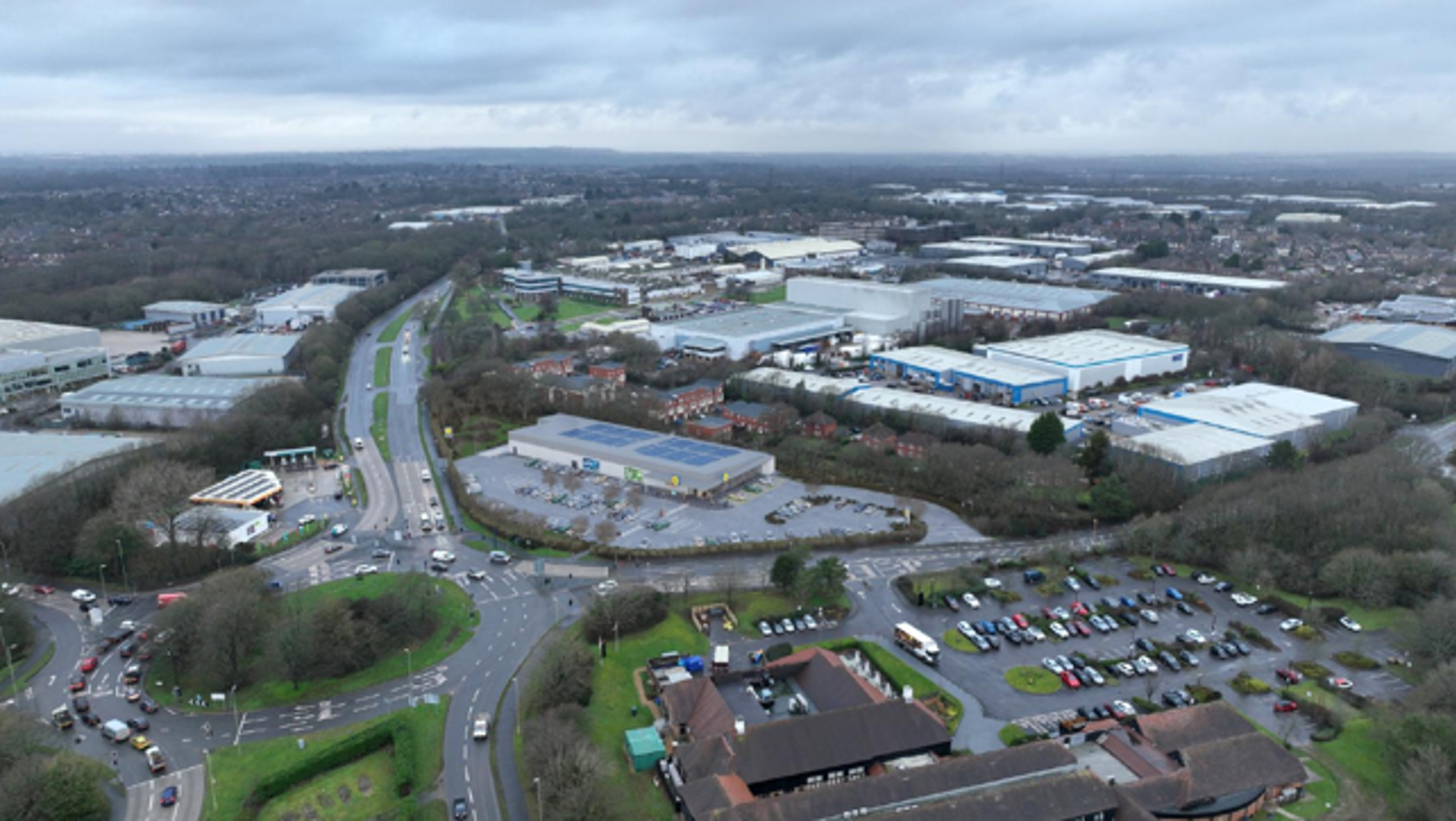
The constrained site required a robust evidence base to demonstrate that the redevelopment could be safely accommodated on the local highway network while supporting sustainable travel and responding to detailed technical scrutiny from Hampshire County Council.
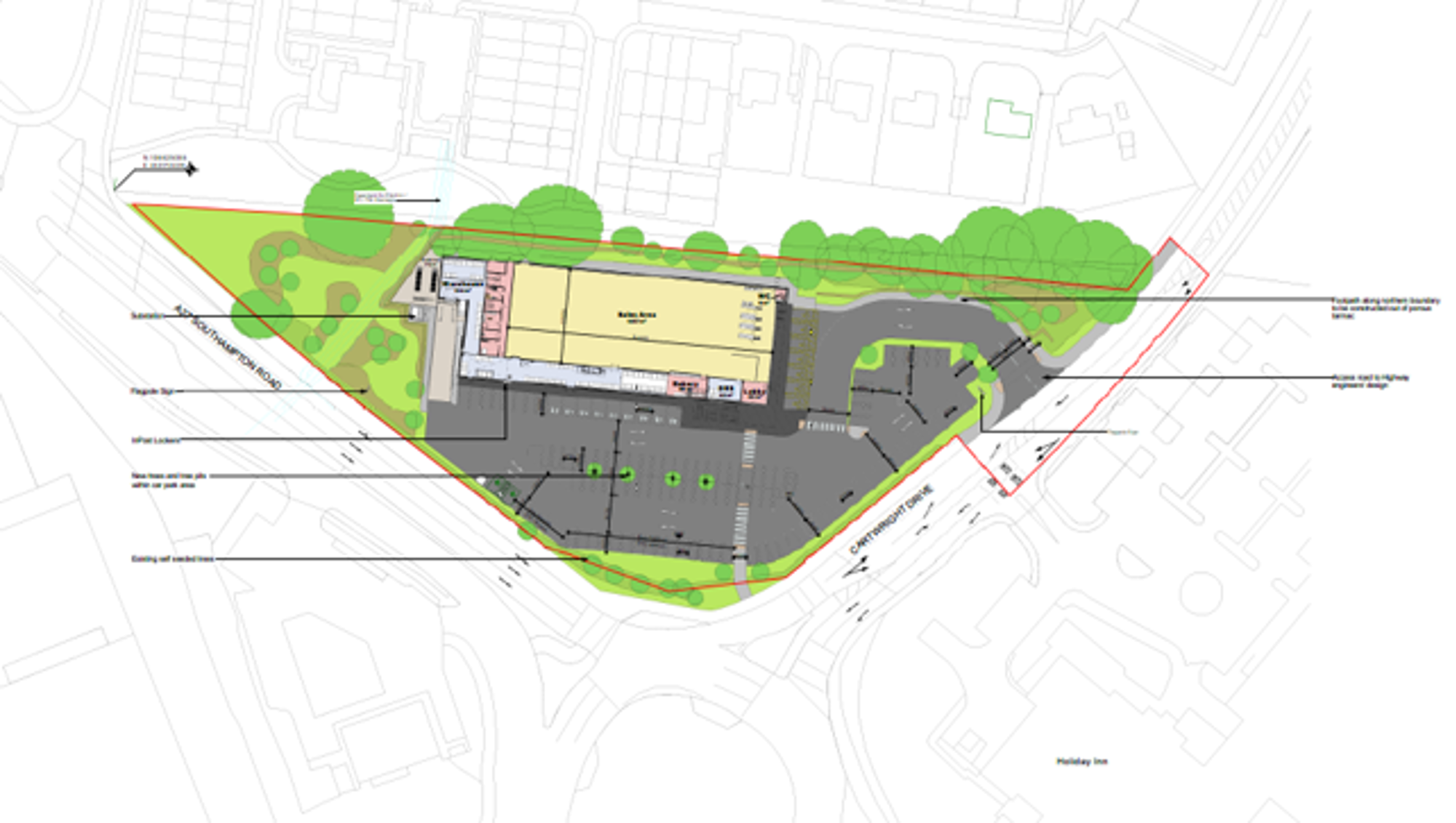
The site is located alongside the A27 Southampton Road, close to M27 Junction 9 and the busy St Margaret’s Roundabout.
Its triangular layout, level differences, established hedgerows and trees, existing junction arrangements and land ownership constraints created several technical challenges.
Mayer Brown was required to:
Mayer Brown’s commission included the preparation of a Transport Assessment and Travel Plan alongside preliminary flood risk and drainage design services. The team also provided ongoing technical support throughout the planning consultation process, responding to comments raised by the relevant consultees.
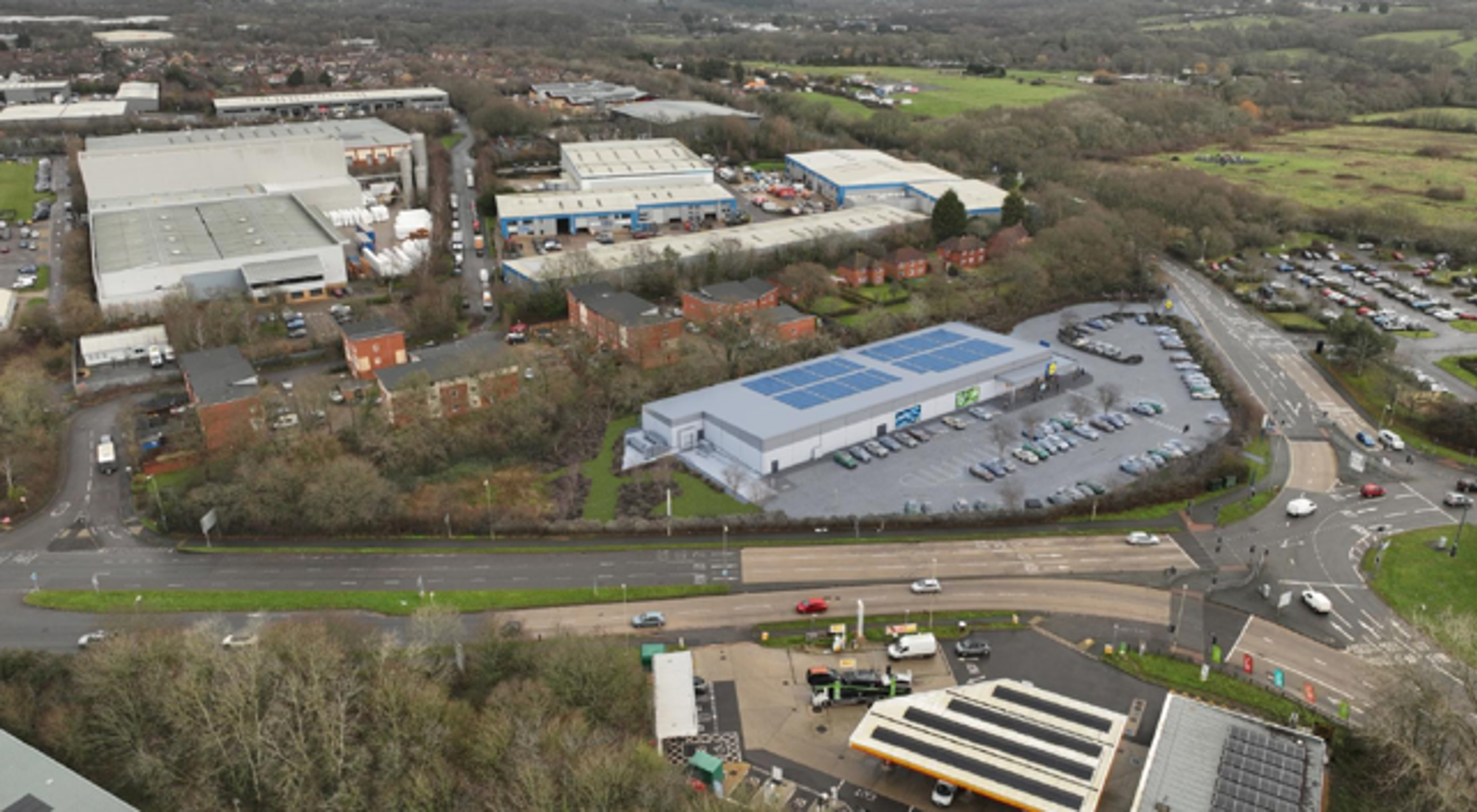
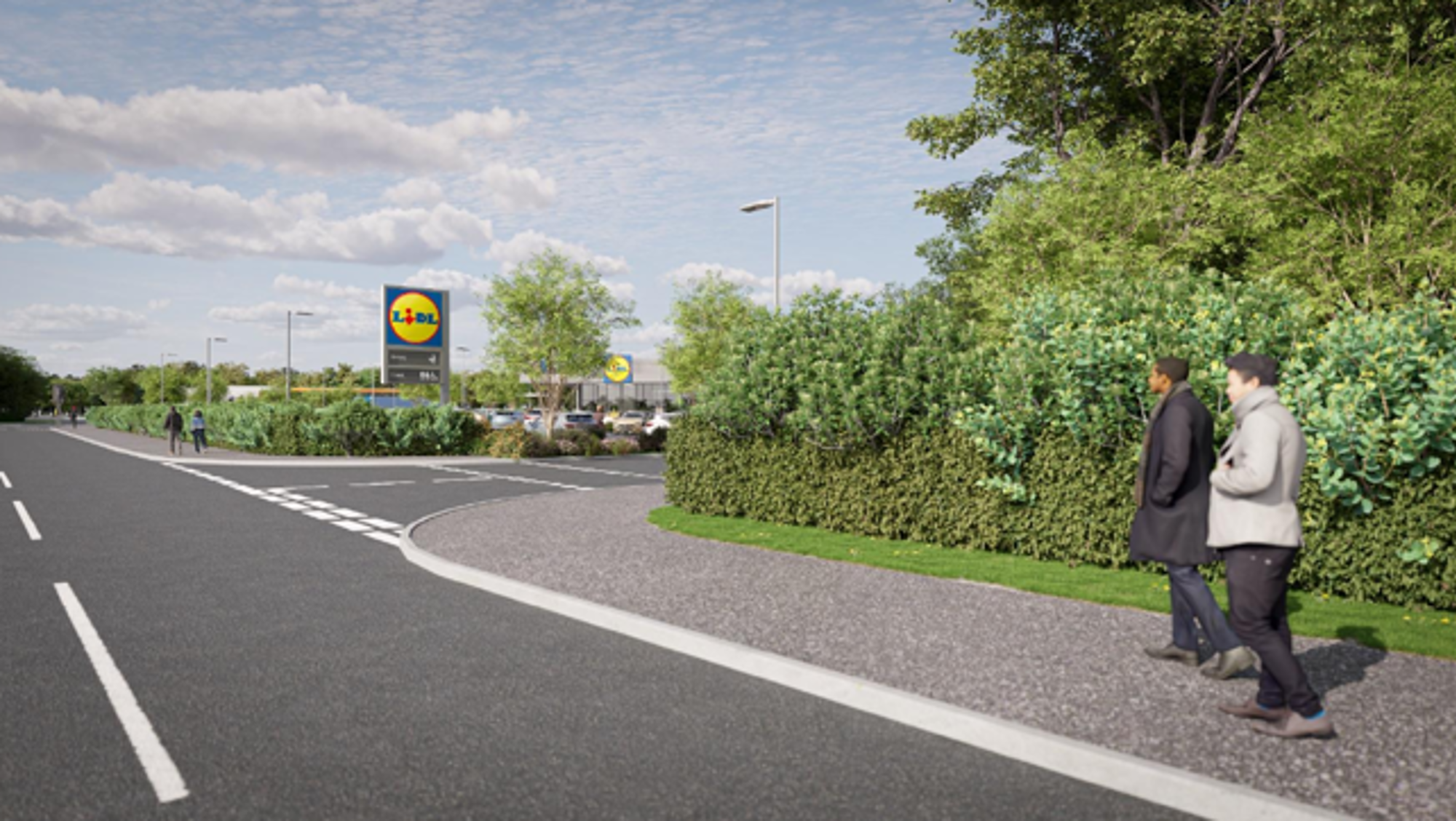
Mayer Brown worked closely with Lidl and the wider project team from the feasibility stage, helping to shape the access strategy and site layout around the site’s physical, environmental and operational constraints.
Key elements from a transport planning perspective included:
Sustainable Transport:
A vision-led approach prioritised walking, cycling and public transport wherever practicable.
The proposals included safe pedestrian and cycle routes, crossing facilities, cycle parking, lighting and connections to existing off-site infrastructure. Contributions were also agreed towards targeted sustainable transport improvements.
Vehicle impacts were managed through appropriate parking provision, electric vehicle charging and efficient delivery arrangements designed to avoid peak periods.
Safe and Suitable Access:
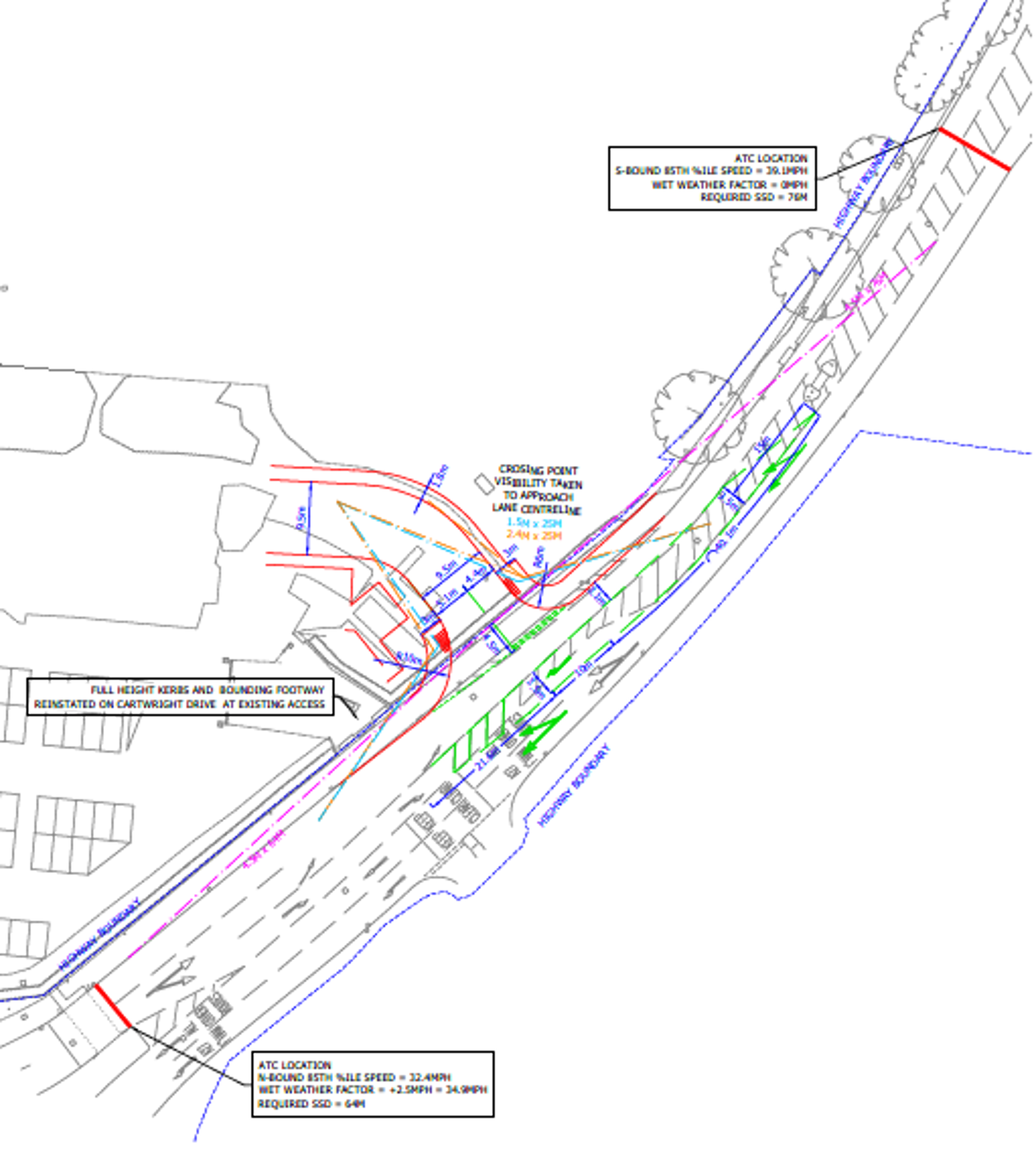
The proposed access was developed in accordance with relevant design guidance while considering traffic speeds, road classification, land ownership, root protection areas and existing highway infrastructure.
Formal Departure from Standard information was submitted to Hampshire County Council, with the access arrangement subsequently accepted.
Traffic and Highway Impact:
Detailed traffic analysis and junction modelling considered existing background traffic and the proportion of customers likely to visit the store as part of an existing journey along the A27.
Although the local network experiences high traffic levels during peak periods, the assessment demonstrated that the foodstore would not have a material impact on the operation of the immediate or wider highway network.
The findings were also presented in a clear, non-technical format to help local residents and consultees understand the proposals.
Mayer Brown worked collaboratively with Hampshire County Council to refine the scheme and agree appropriate off-site sustainable transport improvements.
By responding positively to successive technical reviews and providing clear supporting evidence, all transport concerns were resolved. The Highway Authority subsequently recommended approval, subject to agreed planning obligations and conditions.
The project demonstrates Mayer Brown’s ability to unlock constrained development sites through detailed technical analysis, collaborative stakeholder engagement and pragmatic problem-solving.
Following planning approval, Mayer Brown continues to support the scheme through the preparation of a Construction Environmental Management Plan, detailed Section 278 highway design, surface water and foul drainage design and Travel Plan implementation.
Richard Broad - rbroad@mayerbrown.co.uk

Mayer Brown was appointed to provide transport planning advice in support of proposals to extend and modernise a health centre in Nottinghamshire.

Mayer Brown’s Isle of Wight Office was instructed by Mr and Mrs Grant to provide planning and detailed civil engineering infrastructure design services for a residential development of fourteen…

Mayer Brown takes pride in delivering comprehensive Transport Planning services for the successful delivery of residential and mixed-use developments. We were appointed to provide a package of…

Mayer Brown has been working with the Royal Surrey NHS Foundation Trust in Guildford since 2020 to tackle some of its biggest challenges: parking and accessibility. (Cover photo from Lee Vincent AJ…
Mayer Brown were commissioned by Grainger plc to undertake design work associated with the provision of a Suitable Alternative Natural Greenspace (SANG), known as “Blandford Woods” in Aldershot. The…

Gleeson Land appointed Mayer Brown at the earliest stage of site promotion to provide strategic flood risk and drainage advice for land at Bewley Road, Angmering, West Sussex. From the outset, the…

The introduction of TfL’s new Road Safety Audit procedure, S2251, marks a change in how road safety is governed, assured and delivered across the Transport for London Road Network (TLRN).
Please leave us your details and we will endeavour to call you back as soon as we can.